
How to Choose Precious Metals
Choosing precious metals starts with a few practical questions:
Gold or silver? Coins or bars? Bullion or collectible coins? Direct ownership or a Precious Metals IRA?
There isn't one precious metal or product that's right for everyone. The better approach is to understand what you're buying, what you're paying for, how you plan to own it and how the product could eventually be sold.
This guide explains the major differences so you can compare your options before making a purchase.
Start With How You Plan to Own Your Precious Metals
The first decision is whether you plan to purchase physical precious metals directly or hold qualifying metals within a Precious Metals IRA.
Direct Ownership
A direct purchase means you own physical precious metals outside of a retirement account. Depending on the product, you may choose from a broad range of coins and bars and determine how you want your metals securely stored.
Precious Metals IRA
A Precious Metals IRA can hold certain qualifying gold, silver, platinum and palladium coins and bullion.
Not every precious-metal product qualifies.
IRA-owned metals must meet applicable requirements and generally remain in the possession of the IRA's trustee or custodian rather than being personally held by the account owner.
Gold vs. Silver: What's the Difference?
Gold generally stores more value in less physical space, while silver has a lower price per ounce and significantly greater industrial use.
Neither is automatically better. The important question is which characteristics matter more to you.
| Consideration | Gold | Silver |
|---|---|---|
| Price per ounce | Higher | Lower |
| Value stored in less physical space | Greater | Lower |
| Storage needed for an equivalent dollar value | Less | More |
| Industrial demand | Some | Significant |
| Available as coins and bars | Yes | Yes |
| Qualifying IRA products available | Yes | Yes |
Why Choose Gold?
Gold is widely recognized around the world and can represent substantial value in a relatively small amount of physical metal.
It is available in numerous coins and bars, including products specifically eligible for Precious Metals IRAs.


Why Choose Silver?
Silver's lower price per ounce can make it easier to purchase physical metal in smaller dollar increments. It also has substantial industrial demand.
The tradeoff is physical volume. The same dollar value in silver generally requires significantly more storage space than gold.
What About Platinum and Palladium?
Platinum and palladium are also physical precious metals, and certain qualifying products can be held within an IRA.
Their markets are smaller than gold and silver and can be more heavily influenced by industrial supply and demand.
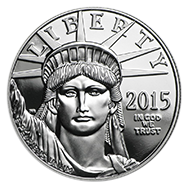
Coins vs. Bars: Which Should You Compare?
Coins can offer greater divisibility and broad recognition, while larger bars often carry lower premiums per ounce. That makes the choice less about which is "better" and more about which characteristics matter to you.
Precious Metal Coins
Bullion coins are commonly produced by government mints in standardized sizes.
Examples include:
- American Gold Eagles
- American Gold Buffaloes
Because coins are individual pieces, they can offer greater divisibility if you later want to sell only part of what you own.
Coins may, however, carry higher premiums per ounce than comparable larger bullion bars.
Precious Metal Bars
Bars are available in many different sizes.
Larger bars often carry lower premiums per ounce because production costs can be spread across more metal.
The tradeoff is divisibility.
You cannot sell part of one large bar in the same way you can sell an individual coin or smaller bar.
What Matters Most to You?
Use this as a starting point when comparing precious-metal products.
| If This Matters To You... | Consider Comparing... |
|---|---|
| Lower premium per ounce | Larger bullion products |
| Greater divisibility | Smaller coins or bars |
| Simpler connection to metal value | Bullion products |
| More value in less physical space | Gold |
| Lower price per ounce | Silver |
| Fewer individual pieces | Larger bars |
| Broad market recognition | Widely traded bullion products |
| Precious Metals IRA ownership | Specifically eligible products |
| Historical or collectible characteristics | Numismatic or graded coins |
These are product characteristics, not recommendations. Pricing, premiums and availability can change.
Understand What You're Actually Paying For
Two products containing approximately the same amount of gold can have very different prices. Understanding why is one of the most important parts of choosing physical precious metals.
What Is the Spot Price?
The spot price is the prevailing wholesale market price of a precious metal.
Physical coins and bars generally sell for more than spot because a finished product also involves costs associated with refining, fabrication, minting, transportation, distribution and the dealer transaction.
The amount above the underlying metal price is commonly referred to as the premium.
Premiums can also be affected by:
- Product size
- Mint or refiner
- Market availability
- Supply and demand
- Dealer pricing
- Rarity
- Condition
- Professional grading
- Collector demand
Spot Price, Melt Value, Retail Price and Buyback Price Are Different
These terms are sometimes used interchangeably, but they describe different things.
Spot Price
The current wholesale market price of the underlying precious metal.
Melt Value
The approximate value of the precious-metal content within a particular product based on its weight, purity and current metal price.
Retail Price
The amount a customer pays to purchase the finished coin or bar, including the applicable premium.
Buyback Price
The amount a dealer is willing to pay for a specific product at a particular time based on market value. Understanding these differences makes it much easier to compare precious-metal products and dealer pricing.
Which Precious Metals Can Go Into an IRA?
Not every gold, silver, platinum or palladium product is eligible for a Precious Metals IRA.
Federal rules generally treat metals and coins as collectibles for IRA purposes but provide exceptions for certain coins and qualifying gold, silver, platinum and palladium bullion.
The specific product must satisfy applicable requirements.
IRA-owned metals must also be held according to applicable custody requirements.
If you're purchasing precious metals through an IRA, confirm that the product qualifies before the transaction takes place.
Frequently Asked Questions About Choosing Precious Metals
Start by deciding how you plan to own the metal, then compare gold, silver and other precious metals based on price, physical storage, product type, premiums, resale characteristics and IRA eligibility.
Why Choose Monetary Gold to Help You Compare Precious Metals?
Choosing precious metals shouldn't mean being handed a list of coins and told what to buy. It should start with understanding your options.
Monetary Gold has helped Americans purchase and understand physical precious metals since 2000.
Our approach is straightforward:
We explain what the product is.
We explain how it's priced.
We explain the applicable premium and spread.
We explain how the purchase and liquidation processes work.
And you decide whether the product makes sense for you.
That approach is reflected in Monetary Gold's long operating history and independent customer reviews, where customers frequently describe representatives as patient, knowledgeable and willing to answer questions. Because a precious-metals purchase shouldn't require blind trust.
Understand the product. Understand the price. Understand the process. Then decide.